

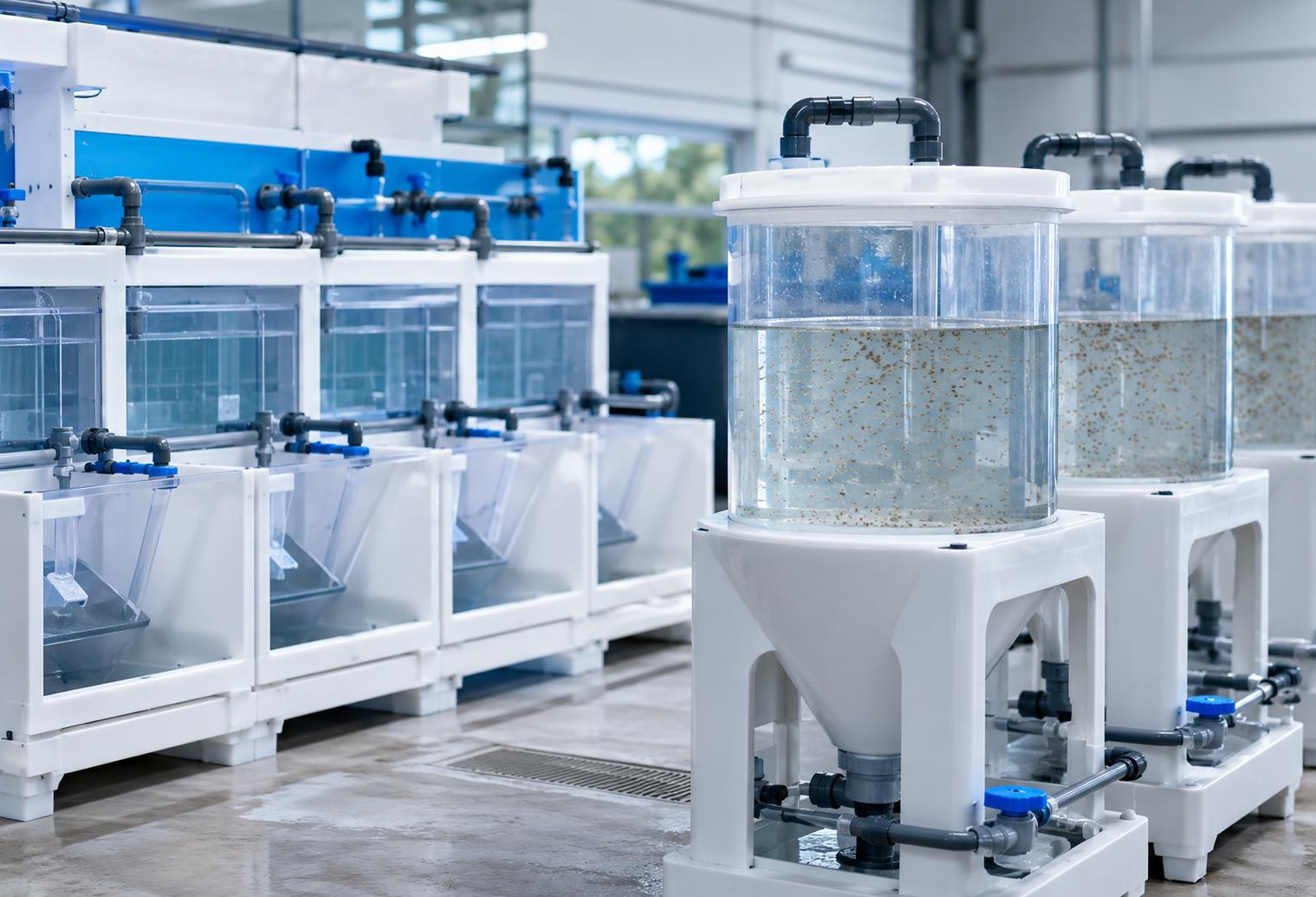
Successful hatcheries rely on consistency. Whether you’re expanding production, replacing aging equipment, or improving sanitation standards, the design of your incubation systems plays a major role in hatch rates, efficiency, and long-term operating costs. For hatcheries throughout Orem, Utah, and surrounding areas, custom plastic fabrication offers durable, easy-to-maintain solutions that are built around your exact operation.
Quick Answer
Custom plastic fabrication allows hatcheries to replace standard equipment with incubation systems designed specifically for their workflow, available space, sanitation requirements, and production goals. Instead of adapting your operation to off-the-shelf products, custom-fabricated plastic components create efficient, long-lasting systems that are easier to clean, resist moisture, and perform reliably in demanding agricultural environments.
What Local Readers Should Know
-
Custom-fabricated plastic incubation components can be designed to fit existing hatchery layouts instead of requiring costly facility modifications.
-
Moisture-resistant plastics perform well in Utah’s changing seasonal conditions and humid incubation environments.
-
Properly selected plastic materials help simplify cleaning and sanitation routines.
-
Hatcheries in Utah County, Provo, Springville, and nearby agricultural communities can benefit from solutions built specifically for their production needs.
-
Tailored fabrication allows future expansion without replacing an entire incubation system.
Why This Matters Locally
Agriculture continues to play an important role throughout Utah County and neighboring communities such as Spanish Fork, Lehi, Pleasant Grove, and American Fork. Hatcheries serving poultry producers often face unique operational challenges, including maintaining stable environmental conditions, maximizing usable space, and meeting strict sanitation standards.
Unlike generic equipment, custom plastic fabrication allows hatcheries to address these challenges with components designed for their facility instead of settling for one-size-fits-all solutions.
At D&D Plastics, we work with customers to create plastic fabrication solutions that match the specific needs of their equipment, production goals, and operating environment. From there, we focus on designing durable components that support long-term performance while simplifying daily operations.
Local Field Observations
Although every hatchery operates differently, one common observation across many agricultural facilities in northern Utah is the increasing need for equipment that balances durability with sanitation. Moisture, repeated cleaning cycles, and constant use can shorten the lifespan of many traditional materials.
Custom-fabricated plastic components are frequently selected because they resist corrosion, tolerate humid conditions, and require less maintenance than many alternative materials.
How Custom Plastic Improves Incubation Systems
Custom plastic fabrication improves incubation systems by creating equipment that fits the exact needs of the hatchery rather than forcing operators to adapt to standard designs.
Some common improvements include:
-
Custom incubation trays
-
Egg transport components
-
Wash-down friendly cabinet panels
-
Humidity management components
-
Airflow guides
-
Water-resistant structural panels
-
Protective machine covers
-
Collection bins
-
Custom dividers
-
Equipment guards
Each component can be manufactured to match precise dimensions and operational requirements.
Local Impact
For hatcheries throughout the Wasatch Front, operational efficiency directly affects production schedules. Equipment that is difficult to clean or maintain can create unnecessary downtime during busy production periods.
Custom plastic systems help improve daily operations by reducing maintenance requirements, simplifying cleaning procedures, and making better use of available floor space.
Even relatively small design improvements can streamline repetitive tasks that employees perform every day.
Warning Signs Your Incubation System May Need Upgrading
Several indicators suggest it may be time to evaluate your current equipment:
-
Cracked or deteriorating trays
-
Rusting metal components
-
Difficult-to-clean surfaces
-
Water damage around equipment
-
Frequent repairs
-
Poor equipment organization
-
Limited capacity for expansion
-
Inefficient use of workspace
These issues often become more expensive over time if left unaddressed.
When to Call a Professional Fabricator
Professional fabrication becomes valuable when standard equipment no longer supports your operation.
You should consider custom fabrication if:
-
Existing equipment no longer fits your workflow.
-
You need replacement parts that manufacturers no longer produce.
-
Facility expansion requires equipment modifications.
-
Sanitation requirements have changed.
-
You want to improve production efficiency without replacing an entire system.
Experienced plastic fabricators can evaluate your operation and recommend practical solutions tailored to your facility.
Common Causes of Equipment Limitations
Several factors commonly lead hatcheries to upgrade their incubation systems.
Aging Equipment
Older systems often become difficult to maintain as replacement parts become harder to source.
Facility Expansion
Growing operations frequently outgrow standard equipment layouts.
Moisture Exposure
Continuous humidity can damage materials that were not designed for wet environments.
Changing Production Needs
As production increases, hatcheries often require more efficient equipment configurations.
Improved Sanitation Standards
Modern operations frequently seek smoother, easier-to-clean surfaces that support routine sanitation practices.
Prevention and Maintenance Tips
Regular maintenance extends the life of any incubation system.
Helpful practices include:
-
Inspect plastic components regularly for wear.
-
Clean equipment according to manufacturer recommendations.
-
Replace damaged parts before they affect production.
-
Monitor humidity levels.
-
Schedule routine inspections of moving equipment.
-
Plan upgrades before equipment failures interrupt operations.
Preventive maintenance often costs significantly less than emergency repairs.
Expected Results from Custom Fabrication
Every project is different, but hatcheries that invest in custom-fabricated plastic components often experience:
-
Better organization
-
Easier cleaning
-
Improved equipment durability
-
More efficient use of available space
-
Simplified maintenance
-
Components designed around existing operations
-
Better long-term flexibility for future growth
Actual results depend on facility design and production requirements.
Common Mistakes
Choosing Standard Equipment Simply Because It’s Available
Consequence: Equipment may require costly modifications after installation.
Better Approach: Evaluate whether custom fabrication provides a better long-term fit.
Delaying Small Repairs
Consequence: Minor issues can develop into larger equipment failures.
Better Approach: Replace worn components before they affect production.
Overlooking Future Expansion
Consequence: New equipment may limit future growth.
Better Approach: Design systems with expansion in mind whenever possible.
Common Local Scenario
A poultry producer serving communities around Orem decides to increase production capacity. Existing incubation equipment still functions but no longer supports the expanded workflow. Rather than replacing every system, the operation works with a plastic fabricator to create custom trays, dividers, panels, and support components that integrate with existing equipment. The result is improved efficiency while minimizing unnecessary replacement costs.
Related Service Solutions
Custom plastic fabrication supports many types of agricultural and industrial applications beyond hatchery equipment.
Related fabrication services may include:
-
Custom plastic panels
-
Machine guards
-
Industrial containers
-
Equipment enclosures
-
Plastic tanks
-
Conveyor components
-
Protective barriers
-
Precision-cut plastic parts
-
CNC machining
-
Plastic welding and assembly
Each solution can be designed around the customer’s specific operational requirements.
Comparing Your Options
| Option | Advantages | Considerations |
|---|---|---|
| Standard Equipment | Lower initial cost and faster availability | May require modifications to fit your operation |
| Custom Plastic Fabrication | Designed specifically for your facility, workflow, and production goals | Requires planning and custom manufacturing time |
| Repair Existing Components | Lower short-term investment | May not solve long-term operational limitations |
| Complete Equipment Replacement | Modern equipment throughout the facility | Often involves higher overall costs |
Service Areas
We proudly serve businesses in Orem, Provo, Lindon, Pleasant Grove, Lehi, Spanish Fork, Springville, Utah County, and surrounding communities throughout northern Utah with custom plastic fabrication solutions tailored to their operational needs.
The Cost of Ignoring Equipment Upgrades
Postponing needed upgrades can lead to increasing maintenance costs, production delays, inefficient workflows, and unexpected equipment failures. Addressing equipment limitations early allows hatcheries to improve productivity before small problems become costly operational interruptions.
Frequently Asked Questions
Can custom plastic fabrication improve hatchery efficiency in Orem?
Yes. Custom-fabricated components are designed around your existing workflow, helping reduce unnecessary movement, improve organization, and make better use of available production space.
Why is plastic commonly used in incubation systems?
Plastic resists moisture, is easy to clean, and performs well in humid environments where corrosion can affect other materials.
Can custom components fit existing hatchery equipment?
Yes. Many custom fabrication projects are designed specifically to integrate with existing equipment, minimizing the need for complete system replacement.
Do hatcheries in Utah County benefit from custom fabrication?
Yes. Agricultural businesses throughout Utah County often require specialized equipment that standard manufacturers may not provide, making custom fabrication a practical solution.
What types of plastics are commonly used?
Material selection depends on the application. Fabricators choose plastics based on factors such as durability, chemical resistance, moisture exposure, and machining requirements.
Can custom fabrication support future expansion?
Yes. Many systems can be designed with future modifications or additional capacity in mind, allowing hatcheries to adapt as production grows.
Closing
Efficient incubation systems depend on equipment that matches the needs of the operation. Custom plastic fabrication provides hatcheries with durable, practical solutions designed around their workflow, helping improve sanitation, organization, and long-term performance. Whether you’re updating individual components or planning a larger equipment upgrade, customized fabrication offers flexibility that standard equipment often cannot match.
Upgrade Your Hatchery with Custom Plastic Fabrication
Our team works with agricultural and industrial businesses throughout Orem and surrounding Utah communities to develop plastic fabrication solutions tailored to their operations.