

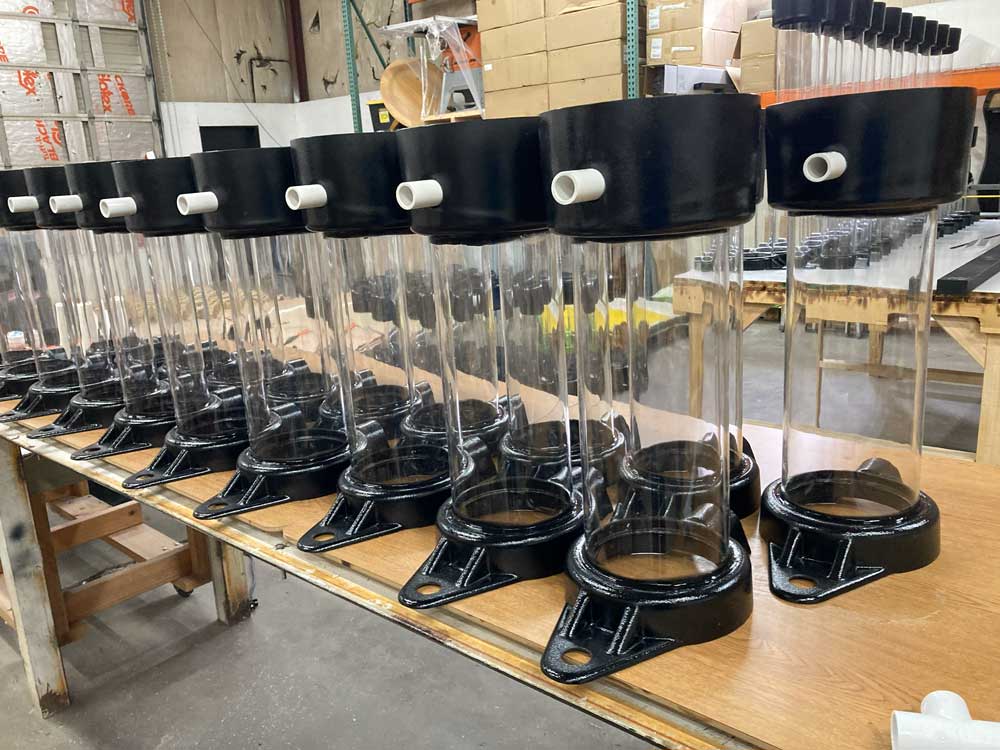
Fish hatcheries rely on consistent, controlled incubation conditions to achieve strong hatch rates and healthy fry. Whether serving aquaculture operations across Utah or supplying fisheries throughout the western United States, selecting the right incubation equipment plays a significant role in production efficiency and long-term success.
Quick Answer
High-impact plastic fish incubation jars maximize hatchery yields by providing durable, consistent incubation environments that promote healthy water flow, reduce egg damage, simplify maintenance, and withstand years of continuous use. Compared to more fragile alternatives, high-impact plastic jars help hatcheries improve operational reliability while reducing downtime and replacement costs.
What Hatchery Managers Should Know
-
High-impact plastic resists cracking and impact damage better than many traditional incubation materials.
-
Consistent water circulation helps keep eggs oxygenated while removing waste products throughout incubation.
-
Durable incubation jars reduce equipment replacement costs over multiple production cycles.
-
Easy-to-clean surfaces simplify routine maintenance and biosecurity practices.
-
Reliable incubation equipment supports predictable hatchery operations during peak production seasons.
Why This Matters for Hatcheries
Reliable incubation equipment directly affects hatchery productivity. Every stage of egg development depends on stable environmental conditions, consistent water movement, and equipment that performs as expected day after day.
For hatcheries operating throughout Utah and neighboring western states, dependable equipment is especially valuable because production schedules often run continuously during spawning seasons. Equipment failures can interrupt operations, increase labor demands, and potentially affect developing eggs.
D&D Plastics has long focused on manufacturing durable plastic products designed for demanding industrial applications. From this point forward, we believe every hatchery deserves equipment built to withstand continuous operation while supporting healthy fish development.
How High-Impact Plastic Improves Fish Incubation
High-impact plastic improves fish incubation by combining durability with consistent performance throughout repeated production cycles.
Incubation jars must withstand continuous water flow, routine cleaning, handling during production, and regular maintenance. Materials that become brittle or crack over time can create unnecessary operational challenges.
High-impact plastics offer several advantages:
-
Excellent resistance to impacts during handling
-
Long service life under continuous use
-
Smooth surfaces that are easier to clean
-
Resistance to moisture and many common hatchery cleaning practices
-
Reduced likelihood of breakage during transportation or installation
These characteristics help hatcheries spend more time producing fish and less time replacing damaged equipment.
Professional Field Observations
Based on common hatchery operations, managers often prioritize equipment that delivers dependable performance over many production seasons rather than simply choosing the lowest initial purchase price.
Durable incubation systems typically contribute to:
-
More predictable production schedules
-
Less equipment downtime
-
Simplified inventory management
-
Lower long-term replacement frequency
-
Greater operational confidence during high-volume spawning periods
While individual results vary by facility, experienced hatchery operators generally recognize that equipment reliability becomes increasingly important as production volume grows.
Local Impact for Utah Manufacturers and Aquaculture Operations
Utah continues to support both commercial manufacturing and fisheries programs that depend on dependable production equipment. Communities such as Orem, Provo, Lehi, Spanish Fork, American Fork, and throughout Utah County benefit from manufacturers producing specialized products for industries across North America.
Reliable manufacturing also means customers receive consistently produced components designed to meet demanding operational requirements. For hatcheries, dependable equipment suppliers help minimize disruptions caused by equipment shortages or inconsistent product quality.
Warning Signs Your Incubation Equipment May Need Replacement
Several indicators suggest it may be time to upgrade fish incubation jars.
-
Visible cracks or stress fractures
-
Clouding that limits inspection of developing eggs
-
Deformation caused by years of use
-
Surface damage that complicates cleaning
-
Leaks around fittings or connections
-
Inconsistent water circulation caused by worn components
-
Frequent repairs or replacement of aging equipment
Replacing worn incubation jars before failure helps maintain uninterrupted hatchery production.
When to Upgrade to New Incubation Jars
Upgrading incubation jars is appropriate when aging equipment begins affecting operational efficiency or reliability.
Hatchery personnel can monitor equipment for visible wear, cleaning challenges, or declining performance. Once structural integrity becomes questionable or maintenance demands increase significantly, replacing equipment often becomes the more cost-effective long-term solution.
Planning upgrades before peak spawning periods helps avoid unexpected interruptions during critical production windows.
Common Causes of Incubation Equipment Wear
Several factors contribute to equipment deterioration over time.
Continuous Operation
Many hatcheries operate equipment around the clock during spawning seasons, resulting in constant water exposure and ongoing mechanical stress.
Routine Handling
Frequent installation, cleaning, transportation, and maintenance naturally increase wear on incubation systems.
Cleaning Procedures
Regular sanitation is essential for hatchery biosecurity. Equipment must withstand repeated cleaning without degrading.
Aging Materials
Over time, some materials become more susceptible to cracking, brittleness, or surface damage, making durable plastics an attractive long-term option.
Prevention and Maintenance Tips
Proper maintenance extends the life of fish incubation jars and helps maintain consistent production.
Best practices include:
-
Inspect jars before each production cycle.
-
Clean equipment thoroughly between batches.
-
Replace damaged fittings promptly.
-
Store equipment carefully during off-seasons.
-
Follow manufacturer recommendations for cleaning and maintenance.
-
Schedule routine inspections throughout the production season.
Preventive maintenance is typically less expensive than responding to unexpected equipment failures.
Expected Results from High-Quality Incubation Jars
High-quality incubation jars provide more consistent operational performance over time.
Hatcheries can generally expect:
-
Reliable water circulation
-
Reduced equipment downtime
-
Easier maintenance
-
Longer equipment service life
-
More efficient daily operations
Actual hatch rates remain influenced by water quality, egg quality, species requirements, and hatchery management practices.
Common Mistakes
Choosing Equipment Based Only on Initial Price
Lower-cost equipment may require more frequent replacement. Evaluating long-term durability often provides better overall value.
Delaying Replacement Too Long
Continuing to use damaged incubation jars increases the likelihood of unexpected failures during important production periods.
Overlooking Routine Inspection
Small cracks or wear can become larger operational problems if left unnoticed.
Using Improper Cleaning Methods
Following recommended cleaning procedures helps preserve equipment while maintaining hatchery sanitation standards.
Common Hatchery Scenario
A hatchery preparing for its annual spawning season inspects existing incubation jars and discovers several units showing signs of cracking after years of continuous use. Rather than risking equipment failure during peak production, the facility replaces aging jars before operations begin. This proactive approach helps maintain uninterrupted production while reducing emergency maintenance during the busiest part of the season.
Related Product Solutions
High-impact plastic fish incubation jars are one part of an effective hatchery system.
Facilities may also benefit from:
-
Custom plastic fabrication
-
Specialized aquaculture components
-
Durable industrial plastic products
-
Replacement plastic parts
-
Custom manufacturing solutions for unique operational requirements
Comparing Your Options
| Option | Advantages | Considerations |
|---|---|---|
| Continue Using Older Equipment | No immediate purchase cost | Increased risk of failures and maintenance |
| Replace Individual Damaged Jars | Lower short-term investment | Mixed equipment ages may require ongoing replacements |
| Upgrade Multiple Incubation Jars | Improved consistency and reliability | Higher initial investment with potential long-term operational benefits |
Service Areas
Our manufacturing facility is located in Orem, Utah, serving customers throughout Utah County, Provo, Lehi, American Fork, Spanish Fork, Pleasant Grove, and clients across the western United States. We also support hatcheries and industrial operations nationwide with durable plastic manufacturing solutions.
The Cost of Waiting
Delaying replacement of aging incubation equipment can lead to unexpected downtime, increased maintenance demands, production interruptions, and higher replacement costs during critical operating periods. Planning equipment upgrades before failures occur helps maintain efficient hatchery operations.
Frequently Asked Questions
Why are high-impact plastic fish incubation jars popular?
High-impact plastic fish incubation jars are popular because they combine durability, impact resistance, and long service life while providing dependable performance in demanding hatchery environments.
Why choose a manufacturer in Orem, Utah?
Working with a manufacturer in Orem, Utah provides access to experienced plastic fabrication capabilities and dependable production serving customers throughout the region and beyond.
How long do high-impact plastic incubation jars typically last?
The lifespan depends on operating conditions, maintenance practices, cleaning procedures, and production volume. Durable materials are designed to provide extended service under normal hatchery conditions.
Can incubation jars be customized?
Many manufacturers offer customization options depending on hatchery requirements, production systems, and operational specifications.
How often should incubation jars be inspected?
Regular inspections before and during production seasons help identify cracks, wear, or damage before they affect operations.
Are plastic incubation jars easy to clean?
Yes. Smooth plastic surfaces generally simplify routine cleaning and sanitation compared to rougher materials, supporting effective hatchery maintenance practices.
Do hatcheries throughout Utah use plastic incubation equipment?
Many hatcheries throughout Utah and the western United States use plastic incubation equipment because of its durability, reliability, and ease of maintenance.
What should hatcheries consider before purchasing new incubation jars?
Hatcheries should evaluate durability, compatibility with existing systems, ease of maintenance, manufacturing quality, and expected long-term value rather than focusing only on initial purchase price.
Supporting Healthy Hatchery Operations with Durable Manufacturing
Reliable incubation equipment helps hatcheries operate more efficiently while supporting healthy fish development throughout every production cycle. Selecting durable, well-manufactured plastic incubation jars is an investment in consistent performance and long-term operational reliability.
Maximize Hatchery Performance with Durable Plastic Solutions
Our team is ready to help you find dependable plastic fish incubation jars designed for demanding hatchery environments.