

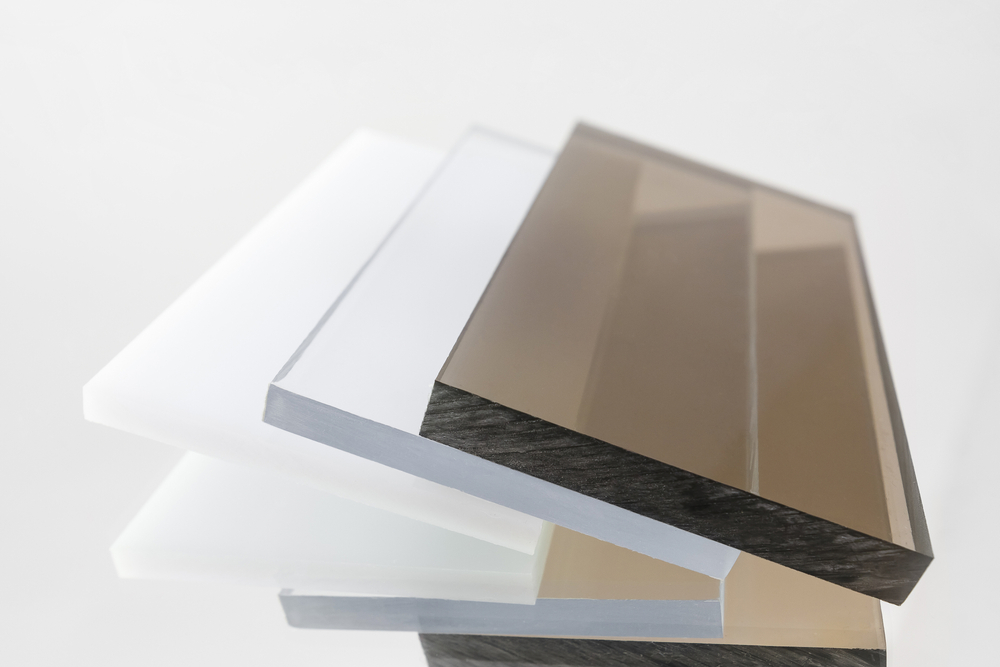
Choosing a plastic material can affect how well a finished part handles Utah Valley’s sun, temperature changes, impacts, and everyday use. For businesses, fabricators, and property owners in Orem, selecting between acrylic, polycarbonate, and ABS starts with understanding what the finished piece actually needs to do.
Quick answer: Acrylic is often a strong choice when clarity, appearance, and weather resistance are priorities. Polycarbonate is typically better when high impact resistance and durability matter most. ABS is commonly used for opaque fabricated parts, housings, covers, and components where toughness and practical forming or machining characteristics are important. The right choice depends on exposure, appearance, impact risk, fabrication requirements, and budget.
What local customers should know
-
Acrylic provides excellent optical clarity and works well for many displays, signs, protective panels, and other visible applications.
-
Polycarbonate offers significantly greater impact resistance than acrylic, making it useful where breakage is a major concern.
-
ABS is opaque rather than glass-like and is often better suited to functional fabricated components, covers, housings, and similar projects.
-
Outdoor projects in Orem need to account for strong sunlight, seasonal temperature swings, snow, and freezing conditions.
-
A material that works well indoors in a Provo office or retail space may not be the best choice for an exterior application exposed to Utah Valley weather.
Why Does Plastic Material Selection Matter in Orem?
Plastic material selection matters in Orem because a part may need to handle intense sun, cold winters, seasonal temperature changes, physical impacts, or a combination of these conditions. Choosing based on appearance alone can result in a material that does not perform as expected once the finished project is installed or put into regular use.
Projects throughout Utah County can range from interior retail displays and equipment components to outdoor panels, guards, signage, and custom fabricated parts. Conditions can differ substantially between a climate-controlled commercial building and an exterior installation exposed throughout the year.
At D&D Plastics, we help customers consider how a plastic will actually be used before settling on a material. That means looking beyond sheet color or thickness and considering visibility, exposure, fabrication, impact resistance, and the demands placed on the finished piece.
Acrylic vs. Polycarbonate vs. ABS: What Are the Main Differences?
The main difference between acrylic, polycarbonate, and ABS is the balance each material provides between clarity, impact resistance, appearance, fabrication, and intended use. Acrylic and polycarbonate can both be used for transparent applications, while ABS is generally selected for opaque, functional components.
Acrylic
Acrylic is known for its clear, glass-like appearance. It is frequently considered for signs, displays, panels, covers, and other projects where visibility and a clean finished appearance are important.
For an Orem business that needs an attractive transparent display or panel, acrylic may provide the right combination of appearance and practical performance. It also makes sense for many applications where extreme impact resistance is unnecessary.
Polycarbonate
Polycarbonate is the material to consider when impact resistance moves toward the top of the priority list. It can be used for guards, protective panels, equipment applications, and other projects where a transparent material may be exposed to harder use.
That additional toughness can make polycarbonate useful in commercial and industrial settings around Utah Valley where accidental impacts are more likely.
ABS
ABS is an opaque thermoplastic that works well for many functional parts. Covers, enclosures, housings, equipment components, and fabricated pieces are examples of projects where ABS may be considered.
For projects where transparency is unnecessary, ABS can provide a practical alternative to choosing a clear sheet material simply because it is familiar.
What Local Conditions Should You Consider?
Local projects should account for UV exposure, seasonal temperature changes, snow and ice, installation location, and whether the plastic will be used indoors or outdoors. These factors can change which material makes the most sense even when two plastics could technically be used for the same part.
Along the Wasatch Front, a component installed outdoors faces different conditions from one used inside a building. A panel near an exterior entrance may experience sun, cold, moisture, and frequent contact. A display inside a University Place-area business may be primarily judged on clarity and appearance.
Customers from Orem, Provo, Vineyard, Lindon, and other parts of Utah County should identify the actual environment before selecting a sheet or plastic type.
What Are Common Warning Signs That You May Be Choosing the Wrong Plastic?
A plastic may be a poor fit when its basic properties conflict with the demands of the finished project. Identifying that mismatch before fabrication can help avoid unnecessary replacement, redesign, or material costs.
Watch for these warning signs:
-
You are choosing a clear material even though the finished part does not need visibility.
-
The project has a high impact risk, but appearance is driving the entire material decision.
-
An exterior part is being selected without considering sunlight and seasonal weather exposure.
-
You need a polished, transparent appearance but are considering an opaque material.
-
The component will be handled frequently, yet durability has not been considered.
-
You are selecting solely by sheet price rather than finished-project requirements.
-
Fabrication methods, bends, holes, fasteners, or mounting requirements have not been considered.
When Should You Ask a Plastic Fabricator for Help?
You should talk with a plastic fabricator when material choice affects safety, fit, fabrication, outdoor durability, or the useful life of the finished component. Simple decorative projects may be straightforward, but custom parts often involve more than picking a plastic name and thickness.
Bring as much information as possible about your project, including dimensions, intended use, installation location, transparency requirements, expected impacts, and whether the part will live indoors or outdoors.
For Orem-area projects, explaining where and how the part will be used can be especially useful. An exterior component near Utah Lake conditions has different considerations from an indoor component used in a temperature-controlled workspace.
What Common Factors Determine the Best Material?
The best plastic is usually determined by five factors: clarity, impact exposure, weather exposure, fabrication requirements, and appearance. Ranking those requirements before comparing materials can make the selection process much easier.
1. Transparency: If seeing through the material is essential, acrylic or polycarbonate will usually deserve consideration before ABS.
2. Impact resistance: Where impacts are likely, polycarbonate often becomes the stronger candidate.
3. Appearance: Acrylic is frequently chosen when a clean, clear presentation is a central requirement.
4. Functional fabrication: ABS can be a useful choice for opaque covers, components, housings, and other functional parts.
5. Environment: Outdoor installations around Orem should be evaluated differently from interior displays and components.
How Can You Get Better Results From a Custom Plastic Project?
Better results start with defining the application before choosing the material. Decide what the part must withstand, how it should look, how it will be mounted, and where it will be used before focusing on a specific plastic.
Measure carefully and identify holes, cutouts, bends, edges, and mounting points early. If an existing component is being replaced, bring accurate dimensions or the original piece when practical.
DIY material selection can work for simple projects. For custom components or projects involving tighter tolerances and fabrication, discussing the application with a professional can reduce guesswork.
What Mistakes Should Orem Customers Avoid?
The most common material-selection mistakes come from treating acrylic, polycarbonate, and ABS as interchangeable plastics. Each has different strengths, so choosing the familiar option rather than the suitable one can create unnecessary compromises.
Mistake: Choosing only by price.
Consequence: The least expensive initial option may not satisfy the project’s performance requirements.
Better approach: Compare price after identifying the materials suited to the application.
Mistake: Assuming all clear plastics perform the same.
Consequence: The finished part may have the desired appearance but insufficient impact resistance.
Better approach: Compare acrylic and polycarbonate based on both visibility and physical demands.
Mistake: Ignoring installation conditions.
Consequence: An indoor-oriented material decision may not translate well to an exposed Utah County application.
Better approach: Tell your fabricator where the finished part will be installed.
What Is a Common Local Material-Selection Scenario?
A common local scenario is an Orem business needing a clear protective panel and initially considering acrylic because of its appearance. If the panel will experience frequent contact or meaningful impact risk, polycarbonate may deserve consideration instead.
If the same business needs an opaque equipment cover rather than a transparent barrier, ABS could become a more appropriate candidate.
This is why there is no single “best plastic.” The correct material follows the application.
What Plastic Fabrication Solutions Can Support Your Project?
Plastic fabrication solutions can turn the selected sheet material into a part designed around the project’s dimensions, shape, openings, and intended use. Material selection and fabrication should be considered together because cutting, machining, forming, fastening, and installation requirements can influence the final choice.
We can discuss your application and help you evaluate material options based on the information you provide.
How Do Acrylic, Polycarbonate, and ABS Compare?
Acrylic is generally best suited to clarity-focused projects, polycarbonate to impact-resistant applications, and ABS to many opaque functional components. The final decision should account for the complete project rather than a single property.
| Consideration | Acrylic | Polycarbonate | ABS |
|---|---|---|---|
| Transparency | Excellent clarity | Clear options available | Opaque |
| Impact demands | Better for lower-impact clear applications | Strong choice for higher-impact applications | Tough option for many functional parts |
| Appearance | Clean, glass-like look | Functional transparent appearance | Functional opaque appearance |
| Common project types | Displays, signs, panels | Guards, protective panels | Covers, housings, components |
| Best decision factor | Clarity and appearance | Impact resistance | Opaque functionality |
What Areas Can Local Customers Consider These Materials For?
Customers throughout Orem and surrounding Utah Valley communities can use acrylic, polycarbonate, and ABS for commercial, industrial, display, protective, and custom fabrication projects. Nearby communities include Provo, Vineyard, Lindon, Pleasant Grove, and other areas of Utah County.
The material recommendation should still be based on the individual application and environment rather than location alone.
What Can Happen If You Choose the Wrong Plastic?
Choosing the wrong plastic can lead to premature damage, unnecessary replacement, poor appearance, or a finished component that simply does not perform the way the project requires. For local businesses, replacement can also mean additional material expense and avoidable disruption.
Spending more time on material selection at the beginning is usually more useful than trying to adapt an unsuitable material after fabrication.
FAQ
Is acrylic or polycarbonate better for an Orem outdoor project?
The better material depends on whether clarity, impact resistance, weather exposure, or another property is most important. Acrylic can be an excellent choice for many clear applications, while polycarbonate is often preferred where impact resistance is a priority. Outdoor Utah Valley conditions should be discussed before making the final selection.
Is polycarbonate stronger than acrylic?
Polycarbonate generally provides substantially greater impact resistance than acrylic. That makes it a common consideration for guards and protective panels. Acrylic may still be preferable when optical appearance is the primary concern and the application does not require the same level of impact performance.
Is ABS a good choice for projects in Orem?
ABS can be a good choice for Orem projects that need an opaque, functional plastic for components such as covers, housings, or fabricated parts. Whether it is appropriate depends on the project’s environment, dimensions, fabrication requirements, and exposure conditions, so the application should be evaluated before material is selected.
What plastic should I use for a clear protective panel in Utah County?
Acrylic and polycarbonate are the two materials most likely to be considered for a clear protective panel. Acrylic emphasizes clarity and appearance, while polycarbonate is generally the stronger choice where impact resistance matters. Consider who will interact with the panel and how much physical contact it may receive.
Does Utah Valley weather affect plastic selection?
Yes, outdoor exposure in Utah Valley should be part of the material-selection process. Sunlight, cold temperatures, snow, moisture, and seasonal temperature changes can all matter depending on the application. Tell your fabricator whether a part will be indoors, outdoors, shaded, exposed, or regularly subjected to changing conditions.
Can I use acrylic for a display in an Orem business?
Acrylic is commonly suited to display applications where transparency and a polished appearance are priorities. Indoor retail, office, and presentation uses can be especially good candidates. The correct thickness and fabrication details still depend on the size, mounting method, handling, and physical demands of the finished display.
When should I choose ABS instead of acrylic or polycarbonate?
Choose ABS when the project calls for an opaque functional component rather than a clear panel and ABS properties fit the application. Covers, housings, and fabricated components are examples. Transparency, outdoor exposure, impact demands, forming requirements, and mounting details should all be considered before making the final decision.
Can a plastic fabricator help me select material for a Provo or Orem project?
Yes, discussing the actual application with a plastic fabricator can help narrow the material choices for a Provo or Orem project. Provide dimensions, intended use, exposure, appearance requirements, impact risk, and fabrication needs. Those details are more useful for material selection than simply asking which plastic is “best.”
Choose a Plastic That Fits the Job
The right plastic material is the one that matches how your project will actually be used. By comparing clarity, impact resistance, appearance, environment, and fabrication requirements, local customers can make a more informed choice between acrylic, polycarbonate, and ABS.
Get the Right Material for Your Orem Plastic Project
A well-matched material gives your project a better foundation for the performance, appearance, and function you need. Tell us what you are building, where it will be used, and what the finished part needs to do.